Twice a year. That’s the dental appointment schedule most parents grew up hearing about. But does every child really need to visit the dentist exactly every six months?
Not necessarily.
While twice-yearly dental visits work well for many families, children’s dental needs aren’t identical. A toddler getting their first teeth, a seven-year-old with frequent cavities, and a teenager with excellent oral hygiene may benefit from different examination schedules.
Today, pediatric dentists increasingly emphasize personalized preventive care. Instead of relying on a one-size-fits-all calendar, they consider each child’s cavity risk, dental development, medical history, and oral hygiene habits.
If you’re raising children in Rancho Cucamonga, understanding how dentists determine appointment frequency can help you make better decisions about their oral health.
Is the Six-Month Dental Checkup Rule Still Recommended?
For many children, visiting the dentist every six months remains a practical starting point.
Regular appointments allow dental professionals to monitor developing teeth, identify cavities, remove plaque and tartar when needed, and reinforce healthy oral hygiene habits.
However, six months isn’t a universal requirement.
Some children develop cavities quickly or have conditions that require closer monitoring. Others maintain healthy teeth and gums with a lower risk of dental disease.
The American Academy of Pediatric Dentistry supports individualized preventive care based on each child’s oral health needs.
Your child’s dentist may recommend appointments every three, four, or six months, or another clinically appropriate interval.
The goal isn’t simply to maintain a calendar. It’s to identify problems early and provide preventive care when children need it.
When Should Babies Have Their First Dental Appointment?
One of the most common questions parents ask is whether babies need dental visits before they have several teeth.
The answer is yes.
Children should establish a dental home when their first tooth erupts and no later than their first birthday.
These early appointments often look different from dental visits for older children.
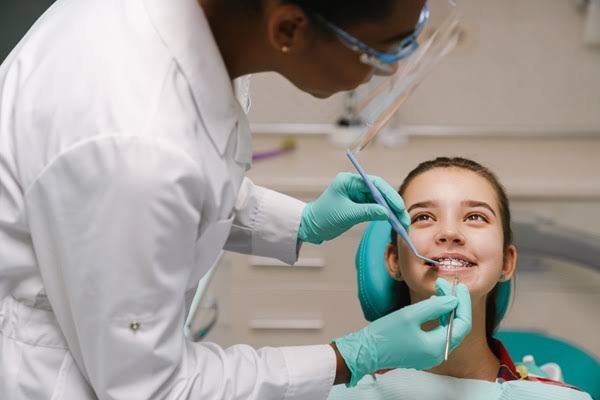
Instead of a lengthy cleaning, the dentist may perform a gentle dental examination while the baby sits on a parent’s lap.
The appointment typically focuses on evaluating emerging teeth, discussing feeding habits, reviewing fluoride exposure, and teaching parents how to clean their baby’s mouth.
Early visits also help families recognize potential concerns before they develop into more serious problems.
For parents seeking infant dental care in Rancho Cucamonga, establishing this relationship early can make future appointments more familiar.
How Often Should Toddlers Visit the Dentist?
Toddlers experience rapid changes in dental development.
By approximately age three, most children have developed their full set of 20 primary teeth.
During these years, pediatric dentists monitor tooth eruption, enamel health, oral hygiene habits, and potential signs of early childhood tooth decay.
Many toddlers benefit from dental examinations approximately every six months.
However, children with elevated cavity risk may require more frequent preventive visits.
Factors that can influence appointment frequency include frequent sugary snacks, previous cavities, inadequate fluoride exposure, and difficulty brushing effectively.
A pediatric dentist will consider these factors when recommending a schedule.
Dental Checkups for Preschool and Elementary School Children
Between ages four and twelve, children experience several important dental milestones.
Baby teeth gradually loosen and fall out, permanent molars emerge, and oral hygiene responsibilities begin shifting from parents to children.
These changes make consistent dental monitoring valuable.
A children’s dentist in Rancho Cucamonga may evaluate:
- Developing permanent teeth.
- Early signs of enamel damage.
- Gum health and plaque accumulation.
- Tooth eruption patterns.
- Brushing and flossing effectiveness.
- Cavity risk and preventive treatment needs.
School-age children may also benefit from professional fluoride treatments and dental sealants when appropriate.
Parents should continue supervising brushing until children demonstrate the coordination and consistency needed to clean their teeth thoroughly.
Why Some Children Need Dental Visits Every Three Months
Certain children benefit from more frequent appointments because they face an increased risk of dental disease.
A pediatric dentist may recommend visits every three months for children with recurring cavities, significant plaque buildup, or other oral health concerns.
More frequent appointments provide opportunities to monitor vulnerable areas and reinforce preventive habits.
For example, a child who recently received treatment for several cavities may need closer follow-up while the family improves brushing and dietary routines.
Children with certain medical conditions or medications that affect oral health may also require additional monitoring.
These visits don’t necessarily involve extensive treatment.
Sometimes, the dentist simply evaluates progress, applies preventive treatments when indicated, and adjusts the home-care plan.
Can Children With Healthy Teeth Visit Less Often?
Parents sometimes wonder whether children with no history of cavities can safely extend the time between appointments.
In selected cases, a dentist may recommend a longer interval based on a child’s consistently low cavity risk and overall oral health.
However, parents shouldn’t independently skip scheduled appointments simply because their child has never experienced tooth pain.
Cavities and other dental problems can develop without obvious symptoms.
Children’s teeth and jaws also continue changing throughout childhood.
A professional assessment is the best way to determine whether a longer interval is appropriate.
What Happens if You Skip Pediatric Dental Checkups?
Missing an occasional appointment doesn’t automatically mean your child will develop dental problems.
However, repeatedly postponing preventive care can allow certain conditions to progress without detection.
Early tooth decay may initially cause no pain. Over time, an untreated cavity can become larger and require more extensive treatment.
Dental visits also allow professionals to identify gum inflammation, unusual tooth wear, and changes in dental development.
Children who rarely attend dental appointments may miss opportunities to learn effective oral hygiene techniques.
Regular preventive care helps families address concerns before they become more complicated.
Does Every Dental Visit Require X-Rays?
No. Dental X-rays should be recommended according to clinical need rather than automatically taken at every appointment.
A pediatric dentist considers the child’s age, cavity history, examination findings, and other risk factors before recommending imaging.
For some children, bitewing X-rays may help identify cavities between teeth that cannot be seen during a visual examination.
Other images may help evaluate tooth eruption, injuries, or developmental concerns.
Modern digital dental X-rays can provide diagnostic information with relatively low radiation exposure when appropriately selected and performed.
Parents should feel comfortable asking why an X-ray is necessary and how the dental team minimizes exposure.
How Parents Can Make Dental Appointments Easier to Maintain
Busy schedules can make regular dental visits challenging, especially for families balancing school, sports, work, and extracurricular activities.
A few practical strategies can help.
Schedule the next appointment before leaving the dental office. This makes it easier to reserve a convenient time.
Consider appointments during school breaks or early morning hours when children may feel more rested.
Keep dental insurance information updated and ask about preventive benefits before the visit.
Parents can also maintain a simple record of previous appointments, recommended treatments, and follow-up dates.
Consistency helps children become comfortable with routine dental care and reinforces the importance of maintaining healthy teeth.
What Should Parents Ask About Their Child’s Dental Schedule?
Instead of assuming every child needs the same appointment frequency, ask your pediatric dentist to explain the recommendation.
Helpful questions include:
- What is my child’s current cavity risk?
- How often should we schedule dental examinations?
- Does my child need more frequent professional cleanings?
- Are there areas of enamel that require closer monitoring?
- Would fluoride treatments or sealants be beneficial?
- When should my child receive their next dental X-rays?
- What can we improve at home between appointments?
These conversations can help parents understand the reasoning behind their child’s preventive care plan.
Pediatric Dental Care for Rancho Cucamonga Families
Families throughout Rancho Cucamonga, Alta Loma, Etiwanda, and surrounding Inland Empire neighborhoods benefit from having a reliable dental home for their children.
A pediatric dentist in Rancho Cucamonga, CA, can monitor oral development from infancy through adolescence and recommend preventive services based on individual needs.
Rather than focusing exclusively on treating existing dental problems, pediatric dentistry emphasizes early detection, education, and ongoing prevention.
Parents should look for a practice that communicates clearly, welcomes questions, and explains recommended appointment intervals.
Building a long-term relationship with a pediatric dental team can make it easier to manage changes in oral health as children grow.
The Right Dental Schedule Is the One Your Child Needs
The familiar six-month dental checkup remains appropriate for many children, but it isn’t the only option.
Some children need closer monitoring because of elevated cavity risk, while others may qualify for different examination intervals.
Age, dental history, oral hygiene habits, and individual health needs all influence the recommended schedule.
If you’re unsure when your child should return for their next dental appointment, schedule a pediatric dental exam in Rancho Cucamonga, CA, and discuss a personalized preventive care plan.
The right schedule can help your child maintain healthy teeth, avoid preventable dental problems, and build positive oral health habits for the future.