
Home Blog Page 4

Using Health Apps and Online Portals to Track Reports and Appointments Safely

0

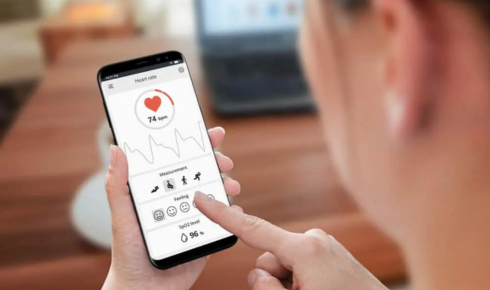
Health apps ka fayda ye hai ki tests, prescriptions, appointments sab ek jagah store ho sakte hain. Tum easily old reports compare kar sakte ho—jaise sugar, cholesterol, weight trends, etc.

Kuch hospitals ke apne portals hote hain jahan se tum lab reports download, follow-up book, ya doctor ko message kar sakte ho. Ye sari cheeze physical files se zyada organised feel hoti hain.

Par safety bhi important hai. App choose karte waqt dekho ki wo reputable company/hospital ka hai, reviews kaisa hai, kya basic privacy policy mention hai. Password strong rakho, phone lock use karo.

WhatsApp pe random groups me apne detailed reports share karna avoid karo, especially with unknown log ya open forums. Sensitive details publicly rehna long term me achha nahi.

Apps ka use doctor ko replace karne ke liye nahi, support tool ki tarah karo. Self-diagnosis sirf app ke numbers pe based risky ho sakta hai. Confusing ya worrying value aaye, to real consultation karo.

Digital records tumhara kaafi time bachate hain—bas thoda responsible tareeke se handle karne ki zarurat hai.

Questions to Ask Your Doctor Before Agreeing to Any Operation

0

Operation word sunte hi shock lagta hai, aur log ya toh haddi-maddi time questions bhool jaate hain, ya kuch puchte hi nahi. Ek chhota sa question list tumhe control feeling de sakta hai.

Kuch useful sawaal:

  • “Yeh surgery kyon zaroori hai? Agar na karun toh kya risk hai?”
  • “Koi non-surgical ya less invasive option available hai kya?”
  • “Procedure me roughly kitna time lagega aur hospital me kitne din rukna padega?”
  • “Recovery period kya hoga? Kab tak normal kaam, office, driving, lifting kar sakunga?”
  • “Main kis type ki anaesthesia me rahunga? Anaesthetist se baat milegi?”
  • “Kya common risks/ complications hote hain, aur inka chance roughly kitna hai?”
  • “Cost ka approximate range kya hoga, aur kya-kya include hoga?”

Sab answers perfect numbers nahi honge, but clear idea milega. Notes likh lo, family member ko bhi saath bitha lo, taki sabko samajh aaye.

Doctor jo honestly pros–cons batata hai, wo zyada trustworthy lagta hai compared to “kuch nahi hai, simple hai” ke generic answers.

Basic Health Insurance Terms Explained for First-Time Buyers

0

Health insurance form dekhte hi bohot log confuse ho jaate hain—sum insured, co-pay, deductible, exclusions, waiting period… Thoda simple language me samajh lo toh choices better ho jaati hain.

Sum insured: maximum amount jo policy ek saal me claim ke form me pay karegi. Co-pay: bill ka kuch percentage jo tumhe khud dena padega, baaki insurance cover karega. Example: 10% co-pay matlab 1 lakh ke bill pe 10,000 tum doge, 90,000 company.

Deductible: fix amount jo pehle tum bear karoge, uske baad hi insurance pay karegi. Ye often top-up policies me hota hai.

Waiting period: kuch diseases/conditions ke liye policy shuru hote hi claim nahi milta, unke liye certain months/ years wait hota hai—for example, pre-existing illness 2–4 saal baad cover hona.

Exclusions: wo cheezein jo policy kabhi cover hi nahi karegi—like cosmetic surgery, self-harm, some dental work, etc. Inko ignore mat karo.

Premium sirf kitna sasta hai, ye criteria mat rakho. Dekho network hospitals, claim process, pre- and post-hospitalisation cover, room rent limits kya hain.

Thoda time lagakar basics samajh loge, to future me hospitalization ke time shock kam milega.

How to Read a Prescription Slip: Names, Doses and Timings in Simple Terms

0

Prescription slip ek chhota sa code jaisa lagta hai—unclear handwriting, short forms, arrows. Thoda decode karna seekh lo, to tum medicines confidently handle kar sakte ho.

Har line pe generally hota hai:

  • Medicine ka naam (brand ya generic)
  • Dose (jaise 500 mg, 10 mg)
  • Frequency (OD = once daily, BD = 2 times daily, TDS = 3 times daily, QID = 4 times)
  • Kab lena (before food, after food, at bedtime, etc.)

“BD x 5 days” ka matlab hota hai 5 din ke liye roz 2 baar. “SOS” ka matlab hai only when needed, regular nahi.

Agar timing clear na ho, pharmacist ya doctor se poochna bilkul sahi hai: “Subah-shaam? Food se pehle ya baad?” Acid, sugar, BP, thyroid, etc. wali medicines me timing bohot matter karta hai.

Slip ki photo phone me save kar lena bhi useful hai, especially agar paper kho jaye. Lekin khud se dose change mat karo sirf isliye ki tum ab thoda better feel kar rahe ho.

Confusion hone pe guess karne se behtar hai ek short phone call karke clarify kar lena.

In-Person Therapy vs Online Therapy for Mental Health: Pros and Cons for Patients

0

Mental health help ke options badh gaye hain—ab sirf clinic ja kar couch pe baithna hi option nahi. Online therapy ne distances aur time barrier kaafi kam kiye hain. Dono formats ke apne plus–minus hain.

In-person therapy ka fayda: physical presence, non-verbal cues better read ho paate hain, kabhi-kabhi environment change itself healing lagta hai. Privacy agar ghar pe mushkil hai, to clinic ek safe space ban sakta hai.

Online therapy convenient hai—travel nahi, flexible timings, small towns se bhi specialists tak access. Social anxiety, physical disability, ya extremely busy schedule wale log ke liye online format comfort de sakta hai.

Cons? In-person ke liye travel time, city traffic, cost, aur limited therapist options problem ho sakte hain. Online me internet issues, ghar ka background noise, family interruptions aa sakte hain. Kabhi kabhi deep crisis cases me sirf online enough nahi lagta—waha local emergency support jaruri hota hai.

Sabse important therapist ka quality, rapport, aur tumhara comfort hai, format second. Dono mix bhi use ho sakte hain—kabhi clinic, kabhi video session.

Cardiac Rehabilitation After a Heart Problem: Why Exercise Is Part of Treatment

0

Heart attack ya heart surgery ke baad bohot log sochte hain “ab toh mujhe bilkul aaraam hi karna chahiye.” Reality: controlled, supervised movement is actually treatment ka part hai, punishment nahi.

Cardiac rehabilitation ek structured programme hota hai jisme doctors, physiotherapists, dietitians, counsellors milke tumhara post-heart issue life redesign karte hain. Isme monitored exercise sessions hote hain jahan heart rate, BP, symptoms track kiye jaate hain.

Shuru me simple walking, light cycling, breathing exercises, gentle stretches se start hota hai. Dheere-dheere capacity aur confidence dono badhte hain. Saath me diet advice, smoking cessation help, stress management tools bhi milte hain.

Iska fayda: future heart events ka risk kam, better stamina, kam anxiety (“ab kuch bhi karu toh heart mein problem toh nahi ho jayegi?”), aur quality of life overall improve.

Bilkul bed pe chipak ke rehna long term me muscles weak, mood low, aur recovery slow kar deta hai. Cardiac rehab ka motto hota hai: safe movement, not reckless movement.

Are You Taking Too Many Tests? Understanding When Scans and Reports Are Overused

0

Aajkal health check-up packages, scan offers, and “just in case” investigations bohot common ho gaye hain. Kabhi useful, kabhi overkill.

Tests tab bilkul needed hote hain jab symptoms suggestive ho, ya doctor ko kisi serious possibility ko rule out karna ho. Jaise chest pain with risk factors me ECG, echo, blood tests; unexplained weight loss me certain scans; chronic cough me X-ray, etc.

Overuse tab hota hai jab har chhoti complaint pe heavy panel tests likh diye jate hain, ya patient khud hi marketing poster dekh ke “full body scan kara dete hain” without reason. Extra testing ka downsides: cost, unnecessary radiation (CT, repeated X-rays), false positives (random REPORT me halka abnormal number jo actually dangerous nahi).

Good doctor tumse history lega, examination karega, phir tests choose karega—scatter-shot approach nahi. Tum bhi questions puch sakte ho: “Ye test kyon? Result se decision kaise change hoga? Agar normal aaye to? Agar abnormal aaye to?”

Preventive health check-ups useful hain, but unko bhi sensible interval, age, risk factors ke basis pe plan karna better hota hai, not monthly game.

Day-Care Procedures vs Full Hospital Admission: What’s the Difference for Patients?

0

Medical world me ab bohot saare treatments “day-care” mode me shift ho rahe hain. Matlab tum subah jao, procedure ho, kuch ghante observation, aur same din ghar wapas. Full admission me tum 24+ hours bed pe rehte ho.

Day-care procedures mostly kam invasive hote hain: kuch endoscopies, minor surgeries, chemo sessions, cataract surgery, some laparoscopy waale kaam, etc. Isme recovery jaldi hoti hai, infection risk kam, cost usually kam padta hai kyunki bed charge aur lengthy stay nahi lagta.

Full admission tab jaruri hota hai jab procedure bada ho, risk zyada ho, ya post-op observation kaafi important ho (jaise major heart surgery, big abdominal surgery, serious infection, uncontrolled vitals, etc.).

Patient ke liye main difference: hospital environment ka duration, cost, aur mental comfort. Day-care ka matlab ye nahi ki procedure “small” ya non-serious hai—bas technique aur monitoring ka pattern different hai.

Insurance plan me kaafi policies ab day-care procedures ko bhi cover karti hain, lekin terms check karna zaruri hai. Doctor se clearly pucho: “Yeh day-care hai ya admission lagega? Kitne ghante observation? Kis condition me rakh lenge?”

When Is It Useful to Get a Second Opinion Before a Planned Surgery?

0

Second opinion ka matlab doctor ko disrespect karna nahi hota. Kabhi-kabhi ye ek sensible step hota hai, specially jab plan bada ya life-changing ho.

Tumhe second opinion lena consider karna chahiye jab:

  • Recommended surgery bohot major ho (organ removal, spine surgery, joint replacement, heart procedure, etc.).
  • Tum confuse/ uncomfortable ho, explanation clear nahi laga.
  • Bahut expensive treatment hai aur tum sure hona chahte ho ki ye best available option hi hai.
  • Alag doctors ki baatein bohot contradict kar rahi hain.

Second opinion ideally kisi independent doctor se lo, jo same hospital ke marketing chain ka हिस्सा na ho. Sab previous reports, scans, prescriptions organised leke jao, unbiased tareeke se “ye case hai, aap kya suggest karenge” pucho.

Kabhi-kabhi second doctor bhi same plan confirm kar dega—isse confidence badhta hai. Kabhi alternative mil jata hai—less invasive, different timing, ya even non-surgical options.

Emergency life-threatening situations thoda alag hain—waha time ke chakkar me second opinion practical nahi hota. Lekin planned, elective surgeries me ek aur qualified nazar bohot valuable ho sakti hai.

How Smoking Affects Different Organs Beyond Just the Lungs

0

Logo ko pata hota hai ki smoking lungs ke liye kharab hai—but damage sirf lungs tak limited nahi rehta. Cigarette smoke ek full-body attack jaisa kaam karta hai.

Heart aur blood vessels pe direct asar: smoking arteries ko stiff, narrow, and damage karta hai, jisse heart attack, stroke ka risk bohot badh jata hai. Blood pressure aur heart rate dono par stress padta hai.

Skin ageing fast ho jati hai—collagen break hota hai, blood flow kam, result: wrinkles jaldi, dull complexion, dark lips, uneven tone. Wound healing slow ho jati hai, surgeries ke baad infection risk badhta hai.

Mouth aur gums: smoker’s breath, stains, higher risk of gum disease aur oral cancer. Teeth yellow hona to sabko pata hi hai.

Fertility aur pregnancy ke outcomes par bhi effect hota hai—male sperm quality, female conception, miscarriage risk, baby weight, sab touched by smoking.

Passive smoke (jo tumhari family, kids inhale karte hain) unke lungs aur heart ko bhi damage karta hai.

Quitting easy nahi, lekin har reduction bhi kuch benefit laata hai. Jitni jaldi chhodo, utna zyada body ko recover karne ka chance milta hai.